Clay and concrete tile, engineered and TRIA-certified — the right roof for Mediterranean, Spanish, and Tuscan homes across DFW. Serving Highland Park, Preston Hollow, and the surrounding communities.
The Architectural Roof — Installed to a Tile-Specific Standard
Tile is the architectural signature of Mediterranean, Spanish, and Tuscan homes — century-class lifespan, unique color depth, and a profile no other material replicates. Clay tile in particular delivers color fastness that holds for generations and a texture that reads authentically in Highland Park, Preston Hollow, and the DFW neighborhoods built in that tradition.
Knox is credentialed with the Tile Roofing Industry Alliance (TRIA) — and that matters more than it sounds. Tile failures are almost always installation-related, not material-related. Underlayment, flashing, fastener patterns, and engineered fastening for high-wind zones are not optional details. Every Knox tile install is TRIA-standard and supervised on-site by a Knox owner.
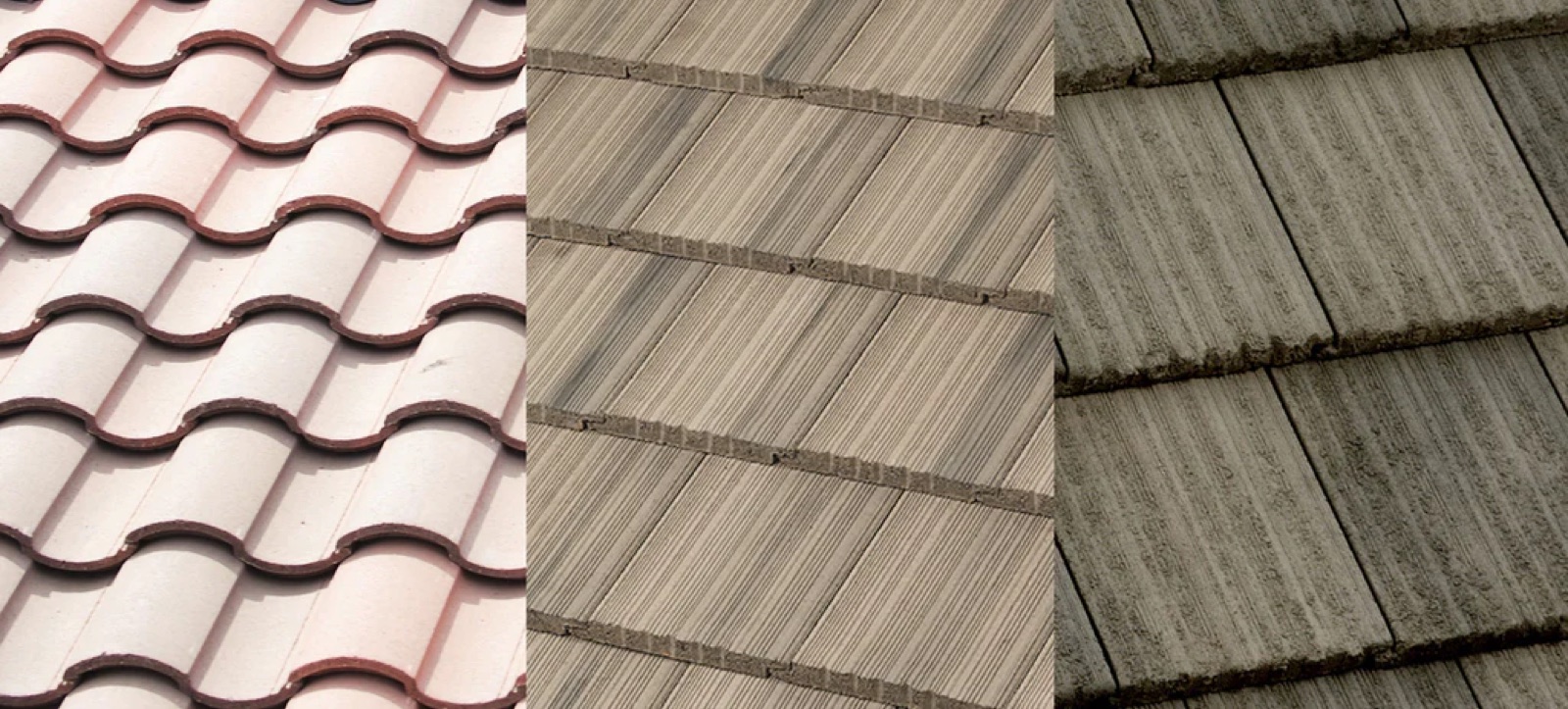
The three tile profiles we install most often across DFW. Clay barrel reads most authentically on Mediterranean architecture; concrete and flat profiles open the door for cost-conscious or transitional homes.
Clay Barrel / Spanish
01
Clay Barrel / Spanish
The signature Highland Park and Preston Hollow profile — half-round and S-curve clay tiles with deep terracotta color that holds for generations. Heaviest of the three and the most authentic look for Mediterranean, Spanish Colonial, and Tuscan architecture.
Concrete Tile
02
Concrete Tile
Engineered concrete molded in clay-style profiles — about 30% more cost-efficient than fired clay, with similar service life. The right call when the architectural intent is tile but the budget or the structural capacity needs a lighter, more flexible material.
Flat / Modern Tile
03
Flat / Modern Tile
Low-profile flat clay or concrete — the contemporary tile look for transitional and modern architecture. Cleaner sightlines than barrel, slightly lower install cost, and a roof that reads tile without committing to traditional Mediterranean styling.
— Why Knox
What Makes a Knox Tile Roof Different
The details that keep a tile roof watertight for fifty years — not the ones that fail at ten.
01
TRIA-certified installation
Tile Roofing Industry Alliance credentialing — proper underlayment, flashing, and fastening are not optional.
02
Clay or concrete
Clay for authenticity and color fastness; concrete for cost efficiency and weight flexibility — we'll walk you through tradeoffs.
03
Engineered fastening
High-wind and seismic zones need specific fastening patterns — we engineer to code, not just to spec.
04
Custom color matching
For historic and HOA-regulated neighborhoods, we source color and profile to match existing runs.
Get Your Free Tile Roof Estimate
We'll inspect your roof, coordinate any structural review, and walk you through clay vs. concrete — no pressure.
From structural review to the maintenance briefing, here's how a Knox tile install runs.
1
Consultation & structural review
Tile is heavy. We inspect your roof, review plans where available, and coordinate a structural engineer review if your home needs one.
2
Underlayment & flashing installation
High-temperature, tile-specific underlayment and custom flashings are installed before a single tile goes on — this is the layer that does the waterproofing work.
3
Tile installation with engineered fastening
Our crew installs tile to TRIA standard with the fastening pattern engineered for your wind zone, your pitch, and your specific tile profile.
4
Walkthrough + maintenance briefing
We walk the roof with you, hand off a photo archive, and brief you on the light maintenance that keeps a tile roof performing for decades.
Common Questions
Frequently Asked Questions
How long does a tile roof last?
50–100 years for the tile itself; underlayment typically needs replacement around years 30–40. The tile can often be reused.
Is my home strong enough for tile?
Clay tile weighs about 1,000 lbs per square (100 sq ft). Most DFW homes built for shingle need a structural review before tile — we'll coordinate that.
Can you match my existing tile?
Yes — for repairs or partial replacements, we source matching profile, color, and manufacturer runs. Historic neighborhoods have specific sources we use regularly.
Is tile worth it versus shingle?
For Mediterranean-style homes, yes — visually, architecturally, and for resale. For standard architectural homes, shingle or metal usually wins on cost-per-year-of-life.